education in energy and the environment
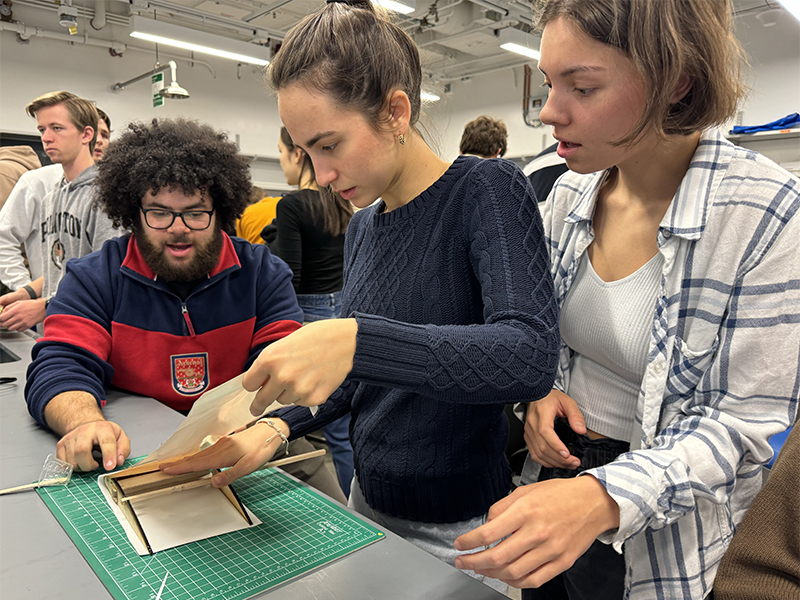
Training the next generation of leaders in energy and environmental issues is a key goal of the Andlinger Center for Energy and the Environment. Students can enroll in Andlinger Center courses (course code ENE) on topics including sustainable design, biofuels, solar energy, geoengineering, and more. Students also have the opportunity to apply their knowledge to practice in laboratory courses through the design of sustainable building system components, such as temperature sensors, and the fabrication and testing of batteries.
undergraduate resources
Minor Program in Sustainability
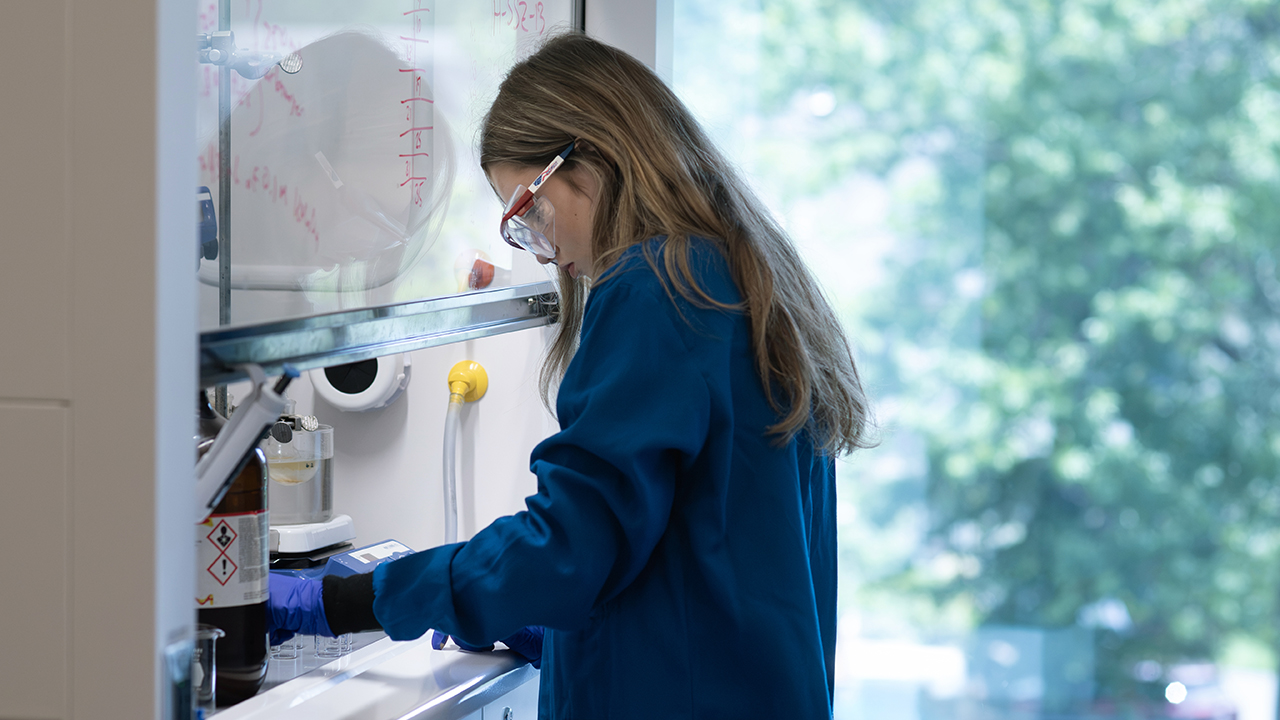
Summer Internships and Funding
Fall 2026 Energy Courses
Questions?
If you have any questions about education programs at the Andlinger Center, contact Moira Selinka, Program Manager, Education and Outreach, at mselinka@princeton.edu or call 609-258-8456.
graduate resources
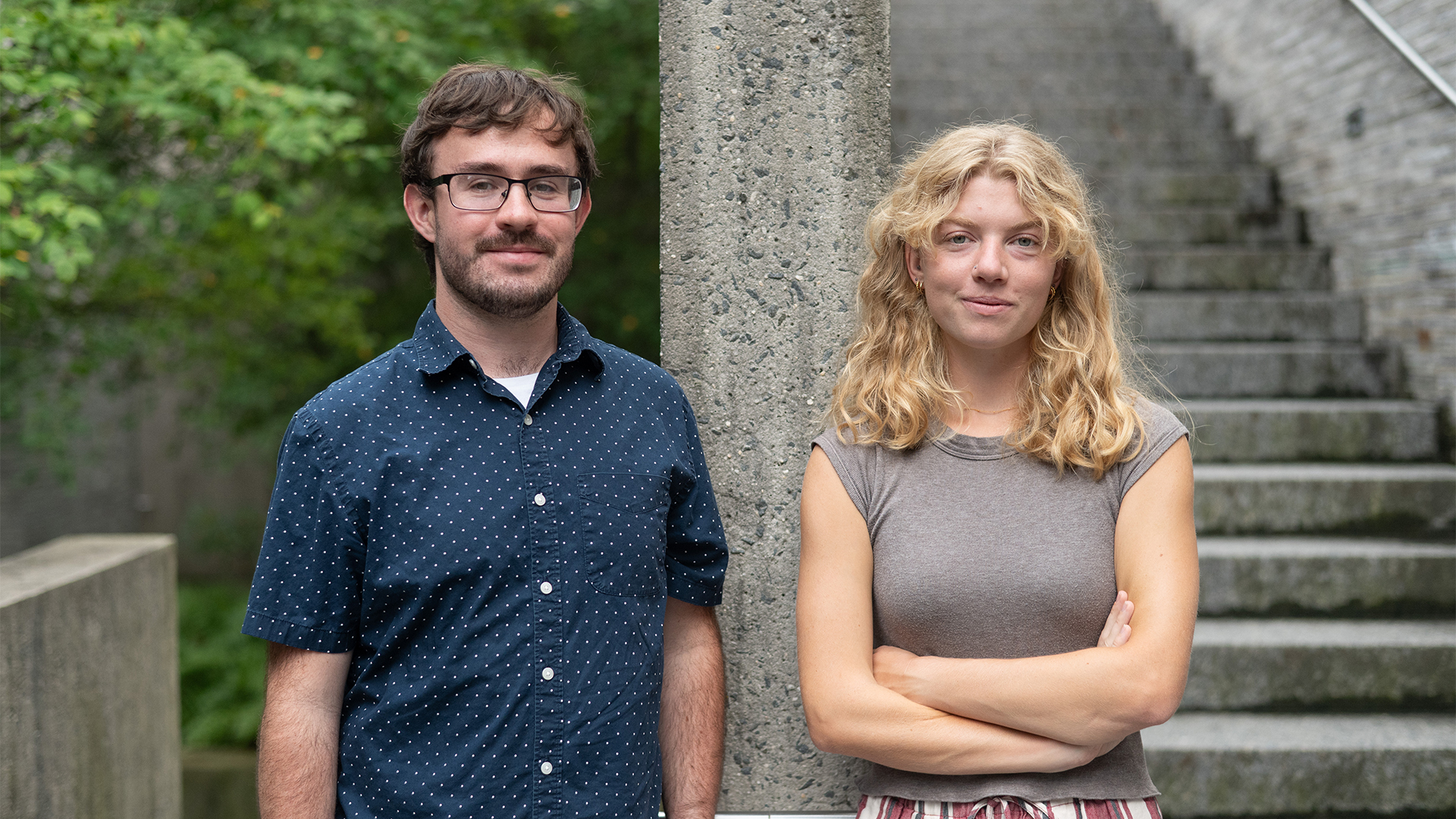
Graduate Opportunities
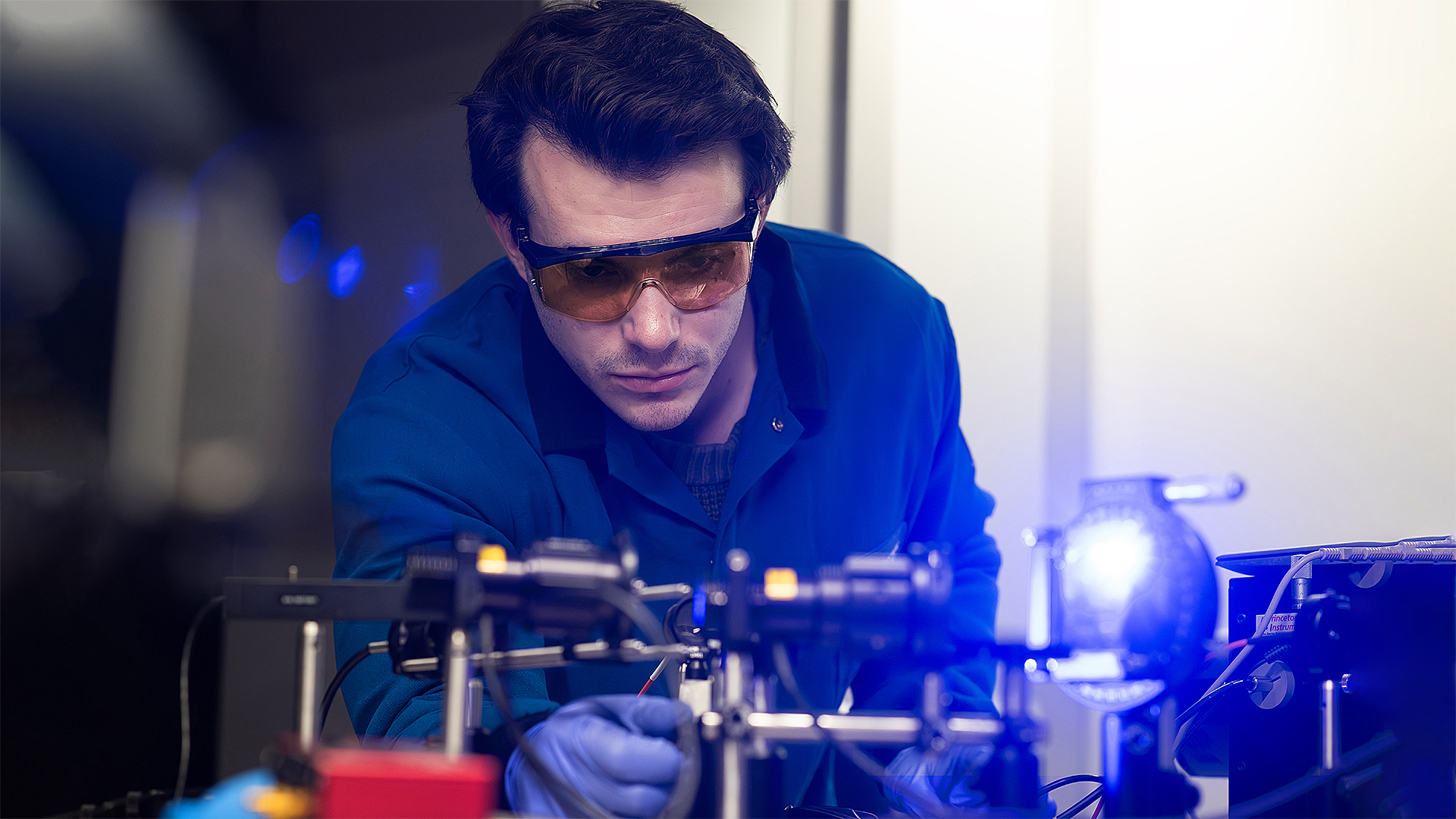
Graduate Courses
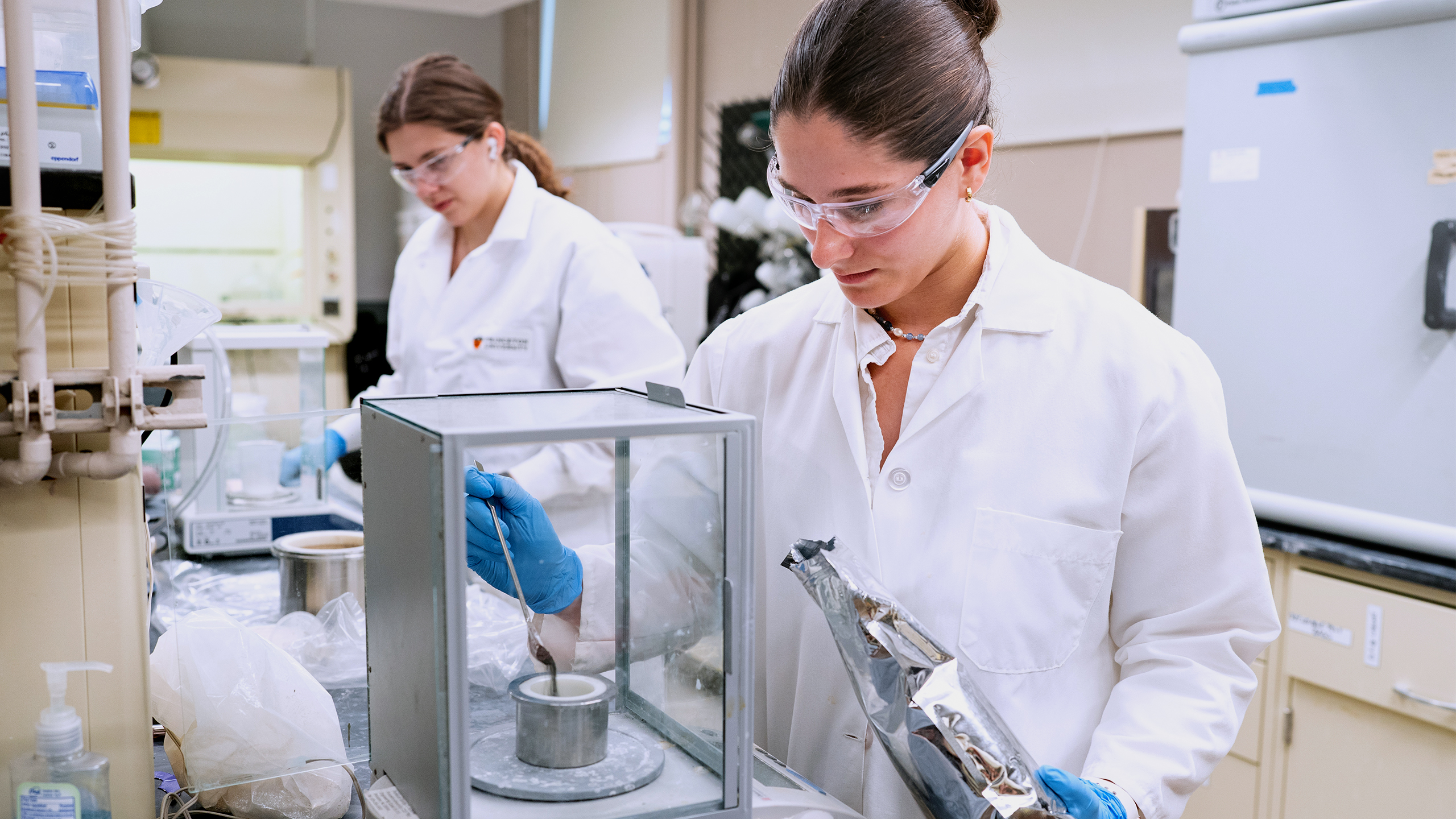
Research
center activity + bulletin board
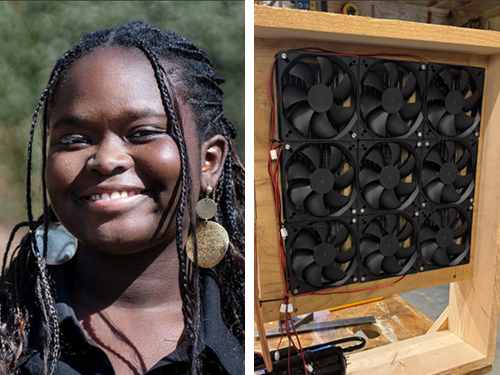
The Science of Staying Comfortable: Khadija Ndiaye on the Future of Energy-Efficient Buildings
We’re excited to see Khadija Ndiaye, a Princeton ECE student, highlighted by Princeton Correspondents on Undergraduate Research for her summer work at the Andlinger Center for Energy and the Environment!
Call for Applications: 2027 Distinguished Postdoctoral Fellows
The Andlinger Centerinvites applications for its Distinguished Postdoctoral Fellows program, with start dates as early as June 2027. This program supports outstanding scholars whose research focuses on innovative solutions to pressing technological, economic, and/or policy challenges relating to energy and the environment.

September 2026 newsletter
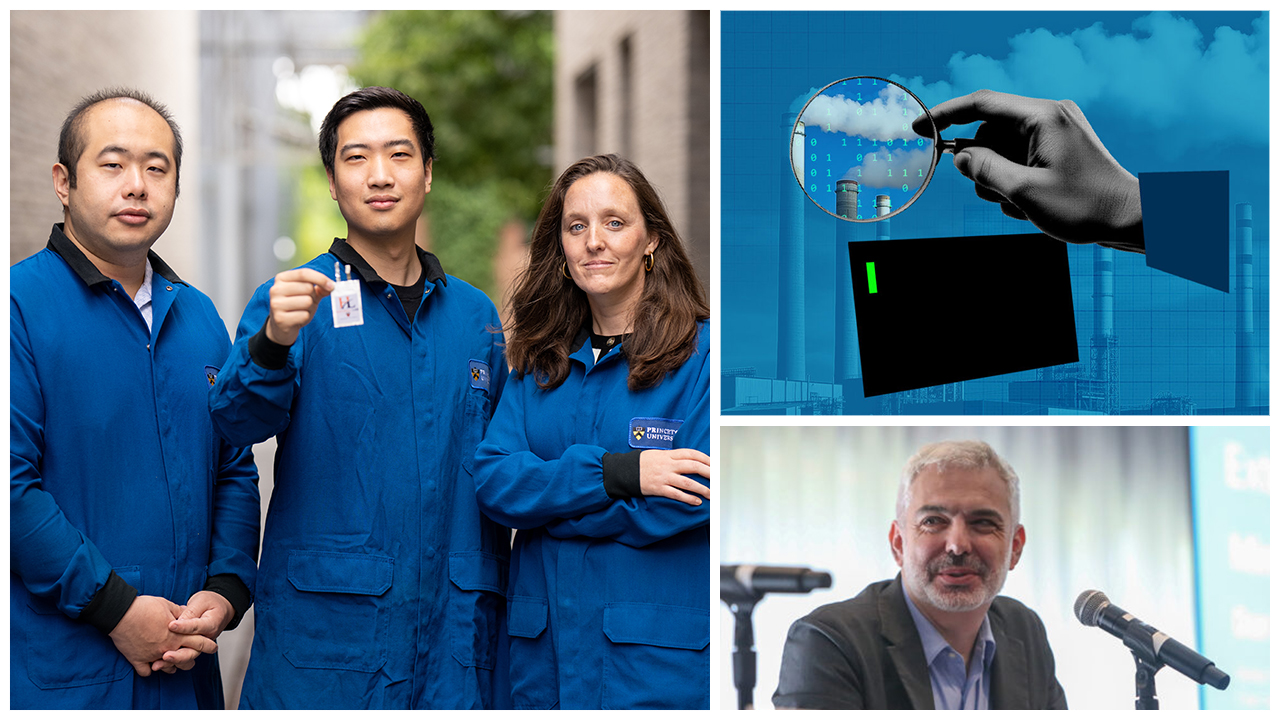
Peering into solid-state batteries, a $3 million grant to analyze carbon emissions, a recap of our E-ffiliates retreat on rare earth minerals, and more.
Latest
- 2026 Maeder Fellows advance solar cell performance and sustainable critical ion recovery
- Call for Applications: 2027 Distinguished Postdoctoral Fellows
- Kyle Gschwend: understanding how the private sector thinks about investments in climate resilience and adaptation
- Senior thesis spotlight: This chemical and biological engineer is exploring a potential solution to stubborn plastic waste
- On Class Day, Andlinger celebrates graduating seniors, awards research prize for work on model to control battery storage systems
- In an uncertain time, dean encourages graduates to rely on strength, knowledge and adaptability
Featured
2026 Maeder Fellows advance solar cell performance and sustainable critical ion recovery
The Andlinger Center has selected Elizabeth Wall and Austin Booth as Maeder Graduate Fellows for the 2026-2027 academic year. Both graduate students in chemical and biological engineering.
discover the center
Research
Education
External Partnerships