Innovation for a More Resilient U.S. Rare Earths Supply Chain
Keynote Speaker
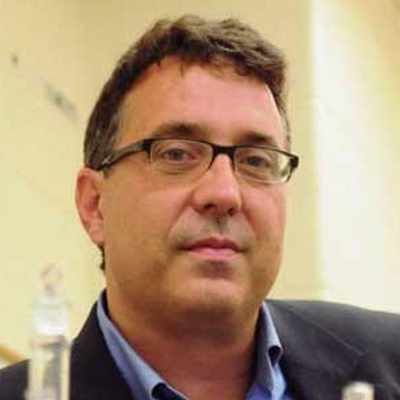
Vasileios Tsianos
Senior Vice President, Neo Performance Materials; Chairman, Rare Earth Industry Association (REIA)
Vasileios Tsianos is senior vice president of Neo Performance Materials, the global producer of rare-earth magnetics and critical materials that fast-forward energy and digital transformation technologies. At Neo, he oversees mergers and acquisitions, business development, and global government relations. Concurrently, he serves as chairman of the Global Rare Earth Industry Association, board director of the European Union Chamber of Commerce in Canada, member of the Bretton Woods Committee, and member of the critical minerals advisors committee of the International Energy Agency. He previously worked in management consulting, investment banking, a private railway venture, and politics. He is a contributing author to the book, “Critical Minerals, the Climate Crisis, and the Tech Imperium“, published by Springer in 2023. Tsianos obtained a B.S. in chemical engineering from the University of Toronto and a M.S. in finance from the IE Business School in Madrid.
Moderators and Panelists
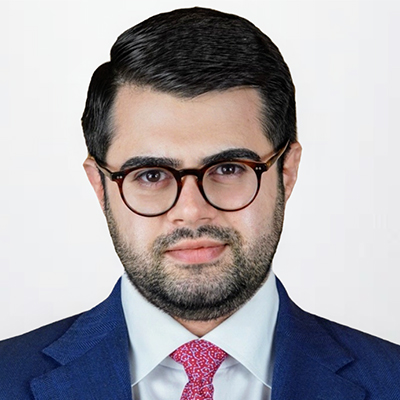
Elisa Alonso
Acting Deputy Director and Assistant Chief for the Minerals Intelligence Research Section, National Minerals Information Center, U.S. Geological Survey
Elisa Alonso is the acting deputy director and assistant chief for the Minerals Intelligence Research (MIR) section at the National Minerals Information Center, U.S. Geological Survey. She joined USGS in 2020 and her work focuses on critical minerals supply chain analysis. She is also the deputy program manager for the DARPA Open Price Exploration for National Security that aims to increase price transparency for mineral commodities with high production concentration. Prior to joining the USGS, Alonso was a strategic materials analyst supporting the Defense Logistics Agency Strategic Materials (the National Defense Stockpile manager) and Oak Ridge National Laboratory. Alonso graduated from McGill University with a bachelor’s degree in metallurgical engineering and holds a Ph.D. in materials science and engineering from the Massachusetts Institute of Technology.
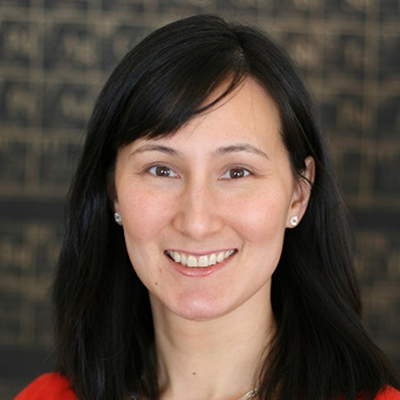
Emily A. Carter
Gerhard R. Andlinger ’52 Professor in Energy and the Environment, Professor of Mechanical and Aerospace Engineering, the Andlinger Center for Energy and the Environment, and Applied and Computational Mathematics, Founding Director, Andlinger Center for Energy and the Environment, Princeton University; Senior Strategic Advisor and Associate Laboratory Director of Applied Materials and Sustainability Sciences, Princeton Plasma Physics Laboratory
Emily Carter is a member of the executive management team at the Princeton Plasma Physics Laboratory (PPPL), serving as Senior Strategic Advisor and Associate Laboratory Director for Applied Materials and Sustainability Sciences. Since arriving at PPPL in 2022, she began working to diversify this Department of Energy national laboratory’s research portfolio into the science of electromanufacturing and solar radiation management. Her portfolio expanded to include microelectronics and quantum information science in 2023. A physical chemist by training, Carter began her independent academic career at UCLA in 1988, rising through the chemistry and biochemistry faculty ranks before moving to Princeton University in 2004, where she spent 15 years as a jointly appointed faculty member in mechanical and aerospace engineering, and applied and computational mathematics. She was the Founding Director of Princeton’s Andlinger Center for Energy and the Environment from 2010 to 2016 and then became Princeton’s Dean of the School of Engineering and Applied Science (2016-19) before being recruited back to UCLA in 2019 as its Executive Vice Chancellor and Provost, and as Distinguished Professor of Chemical and Biomolecular Engineering. Carter maintains an active research presence, developing and applying quantum mechanical simulation techniques to enable discovery and design of materials for sustainable production of fuels, chemicals, and materials. Her research is supported by grants from the U.S. Department of Defense and the Department of Energy, as well as Princeton University. The author of nearly 500 publications and patents, Carter has delivered over 600 invited and plenary lectures worldwide and serves on advisory boards spanning a wide range of disciplines. She is the recipient of numerous honors, including election to the U.S. National Academy of Sciences, the American Academy of Arts and Sciences, U.S. National Academy of Inventors, the U.S. National Academy of Engineering, the European Academy of Sciences, and Great Britain’s Royal Society. Carter earned a B.S. in chemistry from UC Berkeley in 1982 and a Ph.D. in physical chemistry from Caltech in 1987, followed by a brief postdoc at the University of Colorado, Boulder.
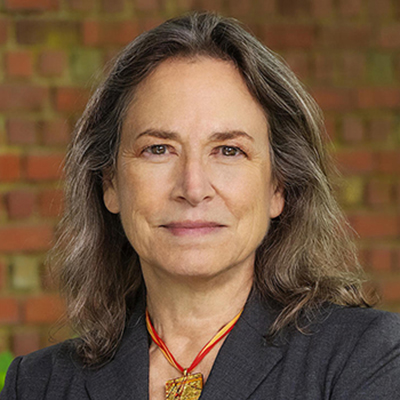
Pengbo Chu
Assistant Professor of Earth and Environmental Engineering, Columbia University
Pengbo Chu is an assistant professor in the Department of Earth and Environmental Engineering at Columbia University. His research covers extractive metallurgy from ore and feedstock characterization through mineral processing, hydrometallurgy, and pyrometallurgy, applied to the sustainable recovery of critical minerals from both primary ores and secondary resources. His research active areas include rare earths, lithium, nickel and cobalt, and lithium-ion battery recycling, with a growing emphasis on bringing AI, machine learning, and automation into mineral processing workflows. He earned his Ph.D. in materials engineering from McGill University and completed a postdoctoral appointment at CanmetMINING, Natural Resources Canada, before joining Columbia in 2026. His research has been supported by DOE, NSF, NASA, and industry partners.
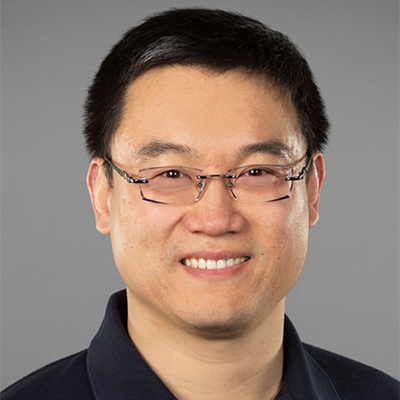
Chris Greig
Associate Director for External Partnerships; Theodora D. ’78 and William H. Walton III ’74 Senior Research Scientist at the Andlinger Center for Energy and the Environment, Princeton University
Chris Greig is the Theodora D. ’78 and William H. Walton III ’74 Senior Research Scientist at the Andlinger Center for Energy and the Environment. He is also an honorary professor at The University of Queensland (UQ) and the University of Melbourne in Australia, a Fellow of the Australian Academy of Technological Sciences and Engineering, a member of the Sustainability External Advisory Council for Dow Chemical Company, and a Director of Australia’s Future Energy Exports CRC. Greig’s academic career commenced at UQ in 2012 following 28 years in industry, starting in 1986 as the co-founder of a successful process technology and contracting company, which he sold in 1999 to a major European engineering conglomerate. Prior to joining UQ, he held senior executive roles in the energy and resources sectors, including as CEO of ZeroGen, an early pioneer in large-scale carbon capture and storage (CCS). Greig also served as Chairman of the Energy Policy Institute of Australia, Deputy Chairman of Gladstone Ports Corporation (one of Australia’s largest energy export hubs) and as Non-Executive Director of two ASX listed engineering companies. His research is interdisciplinary, bringing engineering, energy systems, business and social sciences together to help overcome the challenges associated with the energy transition implementation. His work is deeply collaborative with industry and includes highly granular analysis and policy advice at national, sector and company scales. He has published in CCS, clean hydrogen, industry decarbonization and climate finance. Greig co-led Princeton’s influential Net-Zero America study and is leading Princeton’s participation in collaborations on similar studies in Asia-Pacific countries. He also teaches a multidisciplinary energy transitions course at Princeton, and a course on climate change and energy transitions as transitional risks, for the biannual U.S. Department of Defense Senior Managers’ Course on National Security at George Washington University.
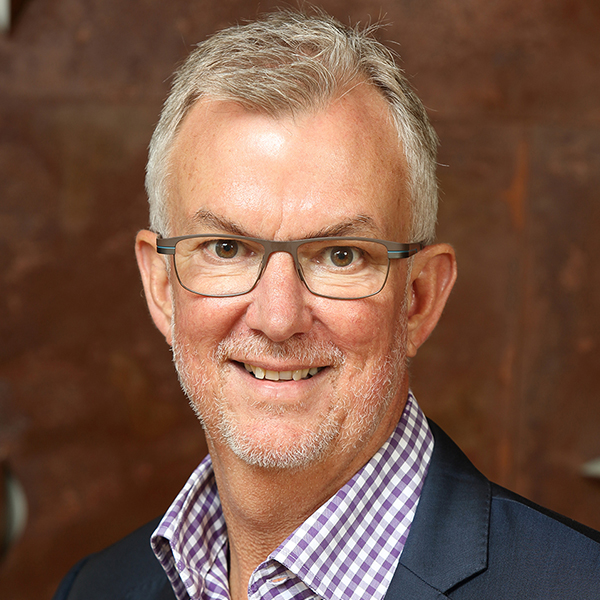
Sarah Jordaan
Associate Professor of Civil Engineering and the Trottier Institute for Sustainability in Engineering and Design, McGill University
Sarah Jordaan is an Associate Professor of Industrial Ecology and Life Cycle Assessment in the Department of Civil Engineering and the Trottier Institute for Sustainability in Engineering and Design at McGill University. Her research applies industrial ecology tools and innovation systems to support the transition to a low-carbon and environmentally sustainable energy future. A recipient of the 2022 Educational Leadership Award from the American Center for Life Cycle Assessment, she has chaired subgroups for the National Academies of Sciences, Engineering, and Medicine and the U.S. National Petroleum Council on life cycle assessment of energy technologies. She presently serves as Canada’s expert for Task 12 of the International Energy Agency’s Technology Collaboration Programme on Photovoltaic Power Systems (IEA-PVPS) on sustainability. She holds a Ph.D. in environmental design from the University of Calgary and a B.S. in physics with computer science from Memorial University.

Yiguang Ju
Robert Porter Patterson Professor of Mechanical and Aerospace Engineering, Princeton University; Head, Electromanufacturing Science, Princeton Plasma Physics Laboratory
Yiguang Ju is the Robert Porter Patterson Professor in Mechanical and Aerospace Engineering and the director of the DOE Energy Earthshot Research Center (EERC) for Hydrogen. With over 300 peer-reviewed publications, his research interests include combustion, green fuels, electrified manufacturing, chemical kinetics, plasma chemistry, and non-equilibrium manufacturing of key chemicals and materials. Ju is a founding fellow and board member of the Combustion Institute, and a fellow of the American Institute of Aeronautics and Astronautics (AIAA) and the American Society of Mechanical Engineers (ASME). He has received numerous awards including the NASA Director’s Certificate of Appreciation award, the Friedrich Wilhelm Bessel Research Award by the Alexander von Humboldt Foundation, the International Prize from Japanese Combustion Society, the Propellants & Combustion Award from the AIAA, the Alfred C. Egerton Gold Medal from the Combustion Institute, and the 2025 R&D 100 innovation award from R&D World Magazine. He is a co-founder of Princeton NuEnergy and of Princeton startups HiTNano, Polymer-X, and USPlasma. Ju received his bachelor’s degree in engineering thermophysics from Tsinghua University, and his Ph.D. in mechanical and aerospace engineering from Tohoku University in Japan.
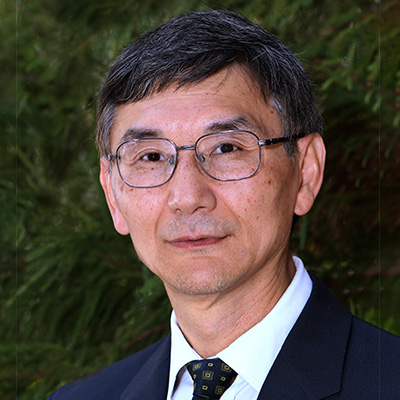
Ryan Kingsbury
Assistant Professor of Civil and Environmental Engineering and the Andlinger Center for Energy and the Environment, Princeton University
Ryan Kingsbury is assistant professor of civil and environmental engineering and the Andlinger Center for Energy and the Environment. Prior to joining Princeton in 2023, he completed postdoctoral studies at Lawrence Berkeley National Laboratory and holds a Ph.D. in environmental sciences and engineering from the University of North Carolina at Chapel Hill, where he was recognized with a student fellowship award by the North American Membrane Society. Before graduate school he earned a Professional Engineering license and founded a startup company to develop a novel energy storage process. Kingbury’s research investigates ion-selective materials that power electrochemical technologies for water purification, resource recovery, energy storage, and clean energy production. He also develops accelerated materials screening methods for environmental engineering problems that integrate experimental characterization, software and atomistic simulations.
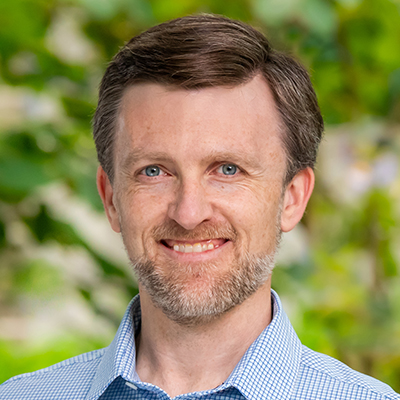
Anthony Ku
Co-Founder and Chief Executive Officer, Clear Skies Hydrogen (CSH2); Co-chair, Industrial Advisory Board, International Roundtable on Critical Materials; Industrial Council Member, Critical Materials Innovation Hub; Non-resident Fellow, Andlinger Center for Energy and the Environment, Princeton University
Anthony Ku is the founder and CEO of Clear Skies Hydrogen, which is developing systems for refueling heavy-duty vehicles with hydrogen. He also serves as the head of advisory for Mercator Partners, where he leads the strategic analysis and technical diligence for clean tech investments. At the Andlinger Center, Ku is collaborating with researchers from the Energy Systems Analysis Group to study the challenges of clean hydrogen production, and critical materials implications of data centers and autonomous systems. He is also collaborating with Z. Jason Ren, professor of civil and environmental engineering and the Andlinger Center for Energy and the Environment, bringing an industrial technology perspective to examine opportunities for using reclaimed wastewater for electrolytic production of hydrogen and data center cooling. Earlier in his career, Ku was a senior engineer at GE Global Research where he led advanced materials development projects related to energy, water and aviation, and coordinated GE’s corporate-level assessments to identify and address supply chain exposure to critical materials.
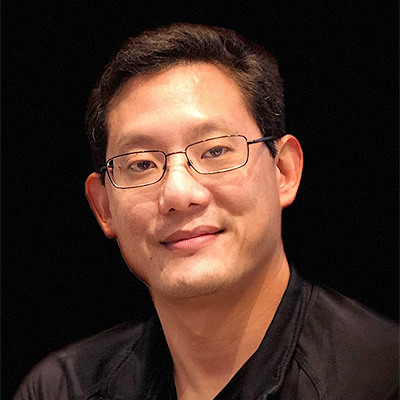
Mary Lou Lauria
Senior Vice President Environment and Sustainability Global, Worley
Mary Lou Lauria is the senior vice president in environment and sustainability for Worley Consulting and a trusted advisor to executives, regulators, investors, and communities. She delivers environmental planning, development enablement, regulatory advocacy, and social performance. Lauria is known for strategic and operational leadership —delivering large, distributed programs and translating growth strategy into executable plans that improve performance, quality, and client outcomes. She is a long-standing advocate for authentic engagement with Indigenous groups and communities and served as Worley Canada’s Executive Sponsor for Canadian Council for Aboriginal (CCAB) Silver PAR certification (2020–2024). Her work focuses on the changing definition of project success, which continues to evolve to one of shared value. Indigenous and community partnership with early, respectful engagement are often non-negotiable to be able to rise to the need for speed. Nowhere is this more critical than in the mining industry where durable trust with Indigenous groups and local communities is the core of success. Without it, people can stop projects.
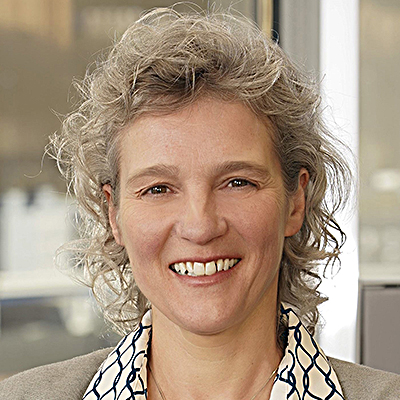
Jud Marte
Senior Vice President of Engineering, MP Materials
Jud Marte is the senior vice president of engineering at MP Materials, where he leads the design and implementation of the company’s first rare earth magnet manufacturing facility, Independence, in Fort Worth, Texas. With over two decades of experience in alloy development, materials processing, and technology management, Marte has made significant contributions to the fields of nanocrystalline alloys, titanium alloys, corrosion-resistant steels, refractory metal alloys, rare earth magnets, and superconducting materials. Prior to joining MP Materials, Marte served as the chief technology officer at Veloxint, a principal scientist and product breakout leader at GE Global Research, and the principal consultant at m3taldoc LLC. Marte holds a B.S., M.S., and Ph.D. in materials science and engineering, and has applied his expertise to demanding applications in aerospace, medical imaging, power generation, and consumer products.

Iain McCulloch
Director, Andlinger Center for Energy and the Environment; Gerhard R. Andlinger ’52 Professor in Energy and the Environment; Professor of Electrical and Computer Engineering and the Andlinger Center for Energy and the Environment, Princeton University
Iain McCulloch is director of the Andlinger Center for Energy and the Environment, Gerhard R. Andlinger ’52 Professor in Energy and Environment and professor of electrical and computer engineering and the Andlinger Center at Princeton University. He also holds a visiting professor position in the Department of Chemistry at the University of Oxford. He previously held joint appointments as professor of chemical science and director of KAUST Solar Center at KAUST, as well as a chair in polymer materials in the chemistry department at Imperial College. Before joining academia, he spent 18 years managing industrial research groups at Hoechst in the US and Merck in the UK. He is a Fellow of the Royal Society, the Royal Society of Chemistry, the European Academy of Sciences and a member of Academia Europaea. He is the recipient of the 2022 Royal Society Armourers and Brasiers Prize, the 2020 Blaise Pascal Medal for Materials Science, the Royal Society of Chemistry 2020 Interdisciplinary Prize, 2014 Tilden Medal for Advances in Chemistry and the 2009 Creativity in Industry Prize. His interests are in the design and investigation of organic semiconducting materials.
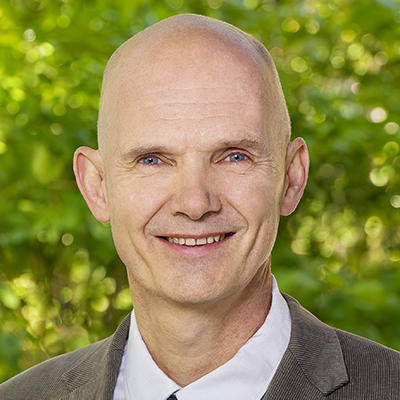
Erica Ocampo
Chief Sustainability Officer, The Metals Company
Erica Ocampo is the chief sustainability officer at The Metals Company (TMC). Ocampo is responsible for grounding the company’s strategy in sustainability principles, both on the macroscale, across the value chain and customer base, and on the microscale, addressing ESG impacts in offshore and onshore operations. From partnership development with customers, sponsoring state and other key regional and global stakeholders, she works across functions to advance the company’s sustainability goals. She has two decades of experience in sustainability strategy, engineering and manufacturing processes. Prior to TMC, Ocampo worked at Sims Limited. She holds a master’s degree in sustainability and environmental management from Harvard University and a B.S. in chemical engineering from New Mexico Institute of Mining and Technology.

Z. Jason Ren
Professor of Civil and Environmental Engineering and the Andlinger Center for Energy and the Environment, Princeton University; Co-Founder, Chief Scientist, and Director, Princeton Critical Minerals (PureLi Inc.)
Z. Jason Ren is a professor of civil and environmental engineering and the Andlinger Center for Energy and the Environment, where he also served as Acting Director and Associate Director for Research. His research and teaching focus on the water–energy nexus, advancing AI-enabled decarbonization and resource recovery in environmental and chemical systems. His group integrates electrochemistry, microbiology, and data science to uncover fundamental mechanisms and develop predictive models and scalable technologies. Jason has published one book, 250+ peer-reviewed articles, and holds 10 granted or pending patents. He has co-founded two startups with students and translated lab research to field applications. His recent honors include election to the 2025 AAAS Fellowship, the 2024 Walter J. Weber, Jr. AEESP Frontier in Research Award, the 2021 Paul L. Busch Award, and the 2020 Walter L. Huber Research Prize. He is a Fellow of IWA and RSC, and he serves as executive editor for ES&T and associate editor for ES&T and ES&T Letters.
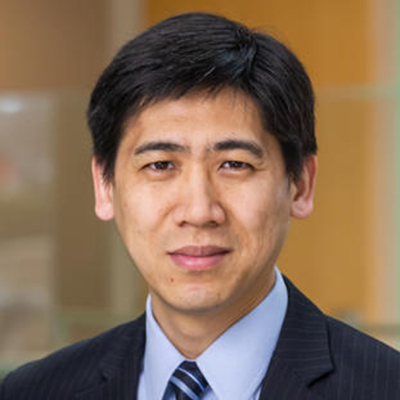
Michele Sarazen
Assistant Professor of Chemical and Biological Engineering, Princeton University
Michele Sarazen is an assistant professor of chemical and biological engineering at Princeton University and associated faculty with Andlinger Center for Energy and the Environment and the Department of Energy’s Princeton Plasma Physics Laboratory (PPPL). Her research group couples synthetic, kinetic, and theoretical investigations of porous crystalline materials as catalysts and adsorbents for sustainable fuel and chemical production via thermal and plasma driving forces, with an emphasis on reaction and deactivation mechanisms. Sarazen has received accolades including the National Science Foundation CAREER Award, American Chemical Society CATL Division Early Career Award in Catalysis, Robert Augustine Award of the Organic Reactions Catalysis Society, and American Institute of Chemical Engineers (AIChE) 35 under 35. Sarazen serves as the Engagement Task Force co-chair for AIChE in Catalysis and Reaction Engineering, director of the Catalysis Society of Metropolitan New York, and associate editor for Applied Catalysis B. Sarazen earned a B.S. degree in chemical engineering, summa cum laude, from Pennsylvania State University, her Ph.D. in chemical engineering from the University of California, Berkeley, before postdoctoral work at the Georgia Institute of Technology.

Daniel Steingart
Co-director Columbia Electrochemical Energy Center; Stanley-Thompson Professor of Chemical Metallurgy; Professor of Chemical Engineering; Professor of Chemical Engineering and Climate, Columbia University
Dan Steingart is the Stanley Thompson Professor of Chemical Metallurgy, the Chair of the Department of Earth and Environmental Engineering, and a Professor in the Department of Chemical Engineering and the Climate School. He is also co-director of the Columbia Electrochemical Energy Center. His group studies the systematic behaviors of material deposition, conversion, and dissolution in electrochemical reactors, with a focus on energy storage devices. His current research focuses on traditional failure mechanisms and interactions in battery and material production, converting unwanted behaviors into beneficial mechanisms. Steingart currently sits on the board of directors of T1 Energy. He served as chief scientist of Electra while on leave from Columbia in AY21-22. He joined Columbia Engineering in 2019 from Princeton University, where he was an associate professor in the Department of Mechanical and Aerospace Engineering and the Andlinger Center for Energy and the Environment. Earlier, he was an assistant professor in chemical engineering at the City College of the City University of New York. Even earlier, he was an engineer at two energy-related startups. He received his Ph.D. from the University of California, Berkeley, in 2006.
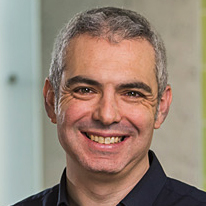
Jason Trembly
Russ Professor of Mechanical Engineering; Director, Institute for Sustainable Energy and the Environment, Ohio University
Jason Trembly is the Russ Endowed Chair, Chair of Mechanical Engineering, and Director of the Institute for Sustainable Energy and the Environment at Ohio University. He earned his Ph.D. in chemical engineering and completed his dissertation research as an ORISE Fellow at the U.S. Department of Energy’s National Energy Technology Laboratory. His research focuses on industrial decarbonization, waste remediation, and advanced carbon materials to support energy, environmental, and supply chain security. He integrates materials research with process simulation and has led more than $28 million in externally sponsored research with academic, industry, and government partners. He has published more than 100 technical articles and received the AIChE Lawrence K. Cecil Award in Environmental Chemical Engineering, the Ohio University Presidential Research Scholar Award, and recognition as a Mid-American Conference Academic Leadership Development Program Fellow. Trembly served on the National Academies Carbon Utilization Infrastructure, Markets, and Research Committee and is active in AIChE and the American Carbon Society and is currently Chair of the AIChE Environmental Division.